Tyra Banks Sues Netflix Over America's Next Top Model Documentary, Claims "Villain Edit"
- Søstre Contributor

- 1 day ago
- 2 min read
One of the biggest celebrity stories right now isn't a breakup, a comeback, or a red carpet scandal — it's a lawsuit.
Tyra Banks has filed a defamation suit against Netflix over Reality Check: Inside America's Next Top Model, accusing the streaming giant of deliberately editing her interview to make her look like the villain of her own legacy.
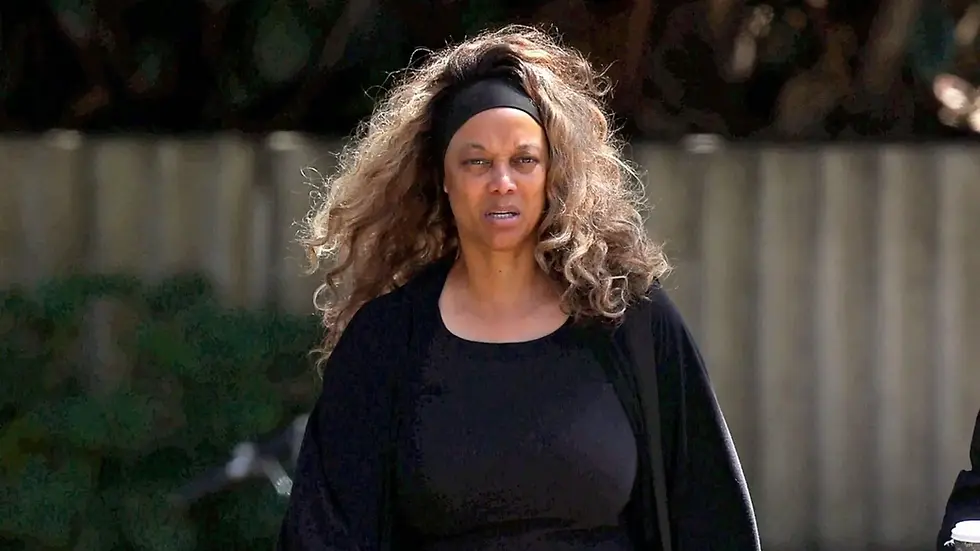
According to the lawsuit, Banks sat for a roughly three-and-a-half-hour interview, but only about 16 minutes made it into the final documentary. She claims key context was removed, creating what her legal team describes as a "false and defamatory narrative" suggesting she refused to take accountability for the show's most controversial moments.
Those controversies have become increasingly scrutinized in recent years, with critics revisiting everything from America's Next Top Model's strict beauty standards and infamous makeover episodes to blackface-themed photoshoots, contestant treatment, and allegations involving production staff.

Banks argues the documentary selectively omitted statements that would have shown a more nuanced response to those criticisms. She's seeking damages, a jury trial, and the release of the unedited footage.
The lawsuit lands in the middle of a broader cultural debate over how reality TV stars and producers are judged years later. As media companies race to reexamine popular shows through a modern lens, questions are emerging about who gets to control the narrative — and whether documentaries can become just as manipulative as the reality television they're critiquing.
For years, Banks has been cast as both a trailblazer and a symbol of reality TV excess. Now she's arguing that Netflix used the same editing tactics reality television has long been accused of employing: cutting hours of footage into a story that audiences were already primed to believe.
Whether the lawsuit succeeds or not, it taps into a growing skepticism about retrospective documentaries, "villain edits," and the power of producers to reshape public perception long after the cameras stop rolling.


Comments